Most businesses sit on mountains of data they never turn into traffic. Product catalogs, location pages, user-generated reviews, pricing comparisons – all valuable content that could rank in search engines. The problem is creating thousands of unique, optimized pages manually is impossible.
That’s where programmatic SEO comes in. This strategy automates page creation at scale by combining templates with structured data. Instead of writing each page by hand, you build a system that generates thousands of landing pages targeting long-tail keyword variations. Companies like Zillow, TripAdvisor, and Yelp have used this approach to dominate search results for years.
In this guide, we’ll explain how programmatic SEO works, when it makes sense as a strategy, and what you need to implement it successfully. Whether you’re managing a marketplace, SaaS product, or directory site, you’ll learn if this approach fits your business model.
What Programmatic SEO Actually Means
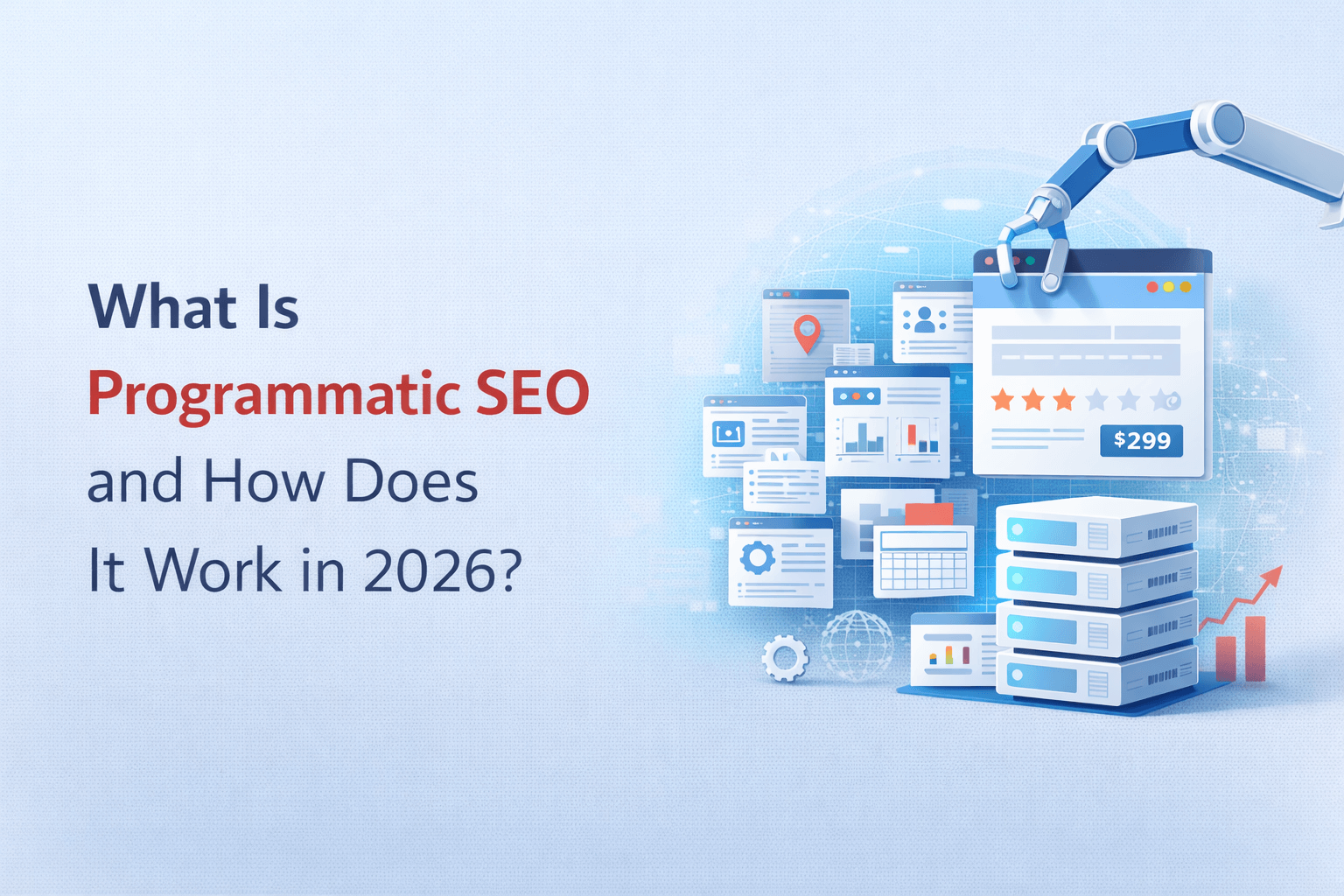
Programmatic SEO is the practice of creating large numbers of web pages automatically using templates and databases. Instead of manually writing content for each page, you design one template that pulls information from a structured data source. The system then generates hundreds or thousands of unique pages, each targeting a specific keyword variation or search intent.
Think of it as the difference between hand-building furniture and using a factory assembly line. The template serves as your blueprint, while your database provides the raw materials. When done correctly, each generated page offers genuine value to users searching for specific information, not just thin content created for search engines.
The key distinction from traditional SEO is scale. While conventional content strategies might produce 10-50 articles per month, a programmatic SEO approach can launch thousands of pages simultaneously. This works because you’re not creating entirely new content each time – you’re filling proven templates with different data points that answer similar but distinct user queries.
How Programmatic SEO Works in Practice
The mechanics of programmatic SEO follow a straightforward process. First, you identify a keyword pattern with high search volume and clear user intent. For example, “[city] restaurants” or “ vs [competitor]” represent patterns where the structure stays consistent but the variables change.
Next, you gather or structure data that fills those variables. This might come from your existing database, public APIs, user submissions, or third-party sources. The quality and completeness of this data directly impacts the value of your final pages. A location-based business needs accurate address information, hours, and contact details. A comparison site needs reliable specs and pricing data.
Then you build a template that presents this information in a consistent, user-friendly format. The template includes static elements like navigation and layout alongside dynamic fields that pull from your database. Modern platforms make this easier than ever – you can implement programmatic SEO on WordPress, use Webflow for design-focused templates, or build custom solutions with Next.js for maximum control.
When Programmatic SEO Makes Sense for Your Business
Not every business should pursue a programmatic SEO strategy. This approach works best when you have three specific conditions in place. First, you need a large dataset with consistent structure. If you’re managing product catalogs, location listings, or comparative data, you’re a good candidate. Companies with fewer than a few hundred data points rarely benefit from this approach.
Second, your target keywords must follow predictable patterns. Search queries like “best [category] for [use case]” or “[location] [service] near me” demonstrate the repetitive structure that programmatic SEO exploits. If your keyword opportunities are scattered and unique, traditional content creation serves you better.
Third, your data must provide real value that satisfies search intent. Google has gotten smarter at identifying thin content generated purely for rankings. Each page needs to answer a specific question or solve a particular problem. User-generated content, verified business information, and proprietary data all qualify as valuable sources worth building programmatic pages around.
Common Programmatic SEO Examples
Real-world examples clarify how different industries apply this strategy. Zillow creates individual pages for every property listing, each optimized for searches like “[address] home value” or “homes for sale in [neighborhood].” The template stays consistent, but the data changes for millions of properties.
TripAdvisor follows a similar pattern for travel destinations. They generate pages for “things to do in [city],” “[city] hotels,” and “[attraction] reviews” by pulling from their database of user-generated reviews and business listings. Each page targets a specific long-tail variation while maintaining the same basic structure.
Nomad List takes a different angle by creating location pages for digital nomads. Their “cost of living in [city]” and “best cities for [criteria]” pages combine crowdsourced data with algorithmic rankings. The result is thousands of pages targeting niche travel searches that would be impossible to create manually. These programmatic SEO examples show how the strategy adapts across industries while following the same core principles.
Tools and Platforms for Implementation
You don’t need to build everything from scratch. Several programmatic SEO tools have emerged to simplify the process. Webflow combined with Airtable or other databases lets designers create visually appealing templates without deep technical knowledge. The Webflow CMS can pull from external data sources to generate pages at scale.
WordPress remains popular for programmatic SEO despite its age. Plugins and custom post types allow you to structure data and create template hierarchies. While not as elegant as modern solutions, WordPress offers flexibility and a massive ecosystem of extensions. Many agencies still recommend it for clients who need familiar content management interfaces.
For developers, Next.js has become a preferred framework for building programmatic SEO sites. Static site generation and dynamic routing make it easy to create thousands of pages that load quickly and rank well. You maintain full control over the technical implementation while leveraging React’s component system for template management. Zapier can even integrate with Next.js workflows to automate data updates and page generation triggers.
The Role of AI in Modern Programmatic SEO
AI has changed how teams approach programmatic content creation. Earlier implementations relied purely on database fields inserted into templates. Now, programmatic SEO with ChatGPT and similar models allows for more natural, varied content within structured frameworks.
You might use AI to generate unique introductory paragraphs for each page while pulling core data from your database. Or you could create dynamic FAQs that address common questions related to each page’s specific focus. The key is maintaining quality control – AI-generated content needs review and editing to ensure accuracy and value.
Some programmatic SEO AI applications focus on metadata optimization. Instead of manually writing title tags and meta descriptions for thousands of pages, AI can generate variations based on templates and data points. This saves time while maintaining SEO best practices across your entire site. However, we always recommend human oversight to catch errors and maintain brand voice consistency.
Avoiding Common Pitfalls and Deindexing Issues
Google has penalized sites that abuse programmatic approaches. The most common mistake is creating thin content that provides minimal value beyond keyword targeting. If your pages essentially repeat the same information with only minor variable changes, you risk manual actions or algorithmic devaluation.
Programmatic SEO deindexing recovery requires demonstrating that you’ve added substantial value. This might mean enriching pages with unique data, adding user reviews, including expert commentary, or providing tools and calculators. The pages need to serve a genuine user need, not just exist to rank for keywords.
Another pitfall is duplicate content issues. When templates are too similar and data too sparse, Google may view your pages as near-duplicates. Strategic use of canonical tags, noindex directives for low-value variations, and ensuring each page has sufficient unique content all help prevent these problems. Some teams maintain a minimum content threshold – if a page can’t meet it with quality information, they don’t publish it.
Technical Requirements and SEO Considerations
Programmatic SEO vs technical SEO isn’t an either-or choice – you need both working together. Your site architecture must handle thousands of pages without performance degradation. This means optimizing for crawl budget, implementing efficient URL structures, and ensuring fast load times across your entire site.
Internal linking becomes critical at scale. You can’t manually link thousands of pages, so your template needs smart logic for related content suggestions. Category pages, filters, and breadcrumb navigation help users and search engines understand your site structure. XML sitemaps need dynamic generation to stay current as you add pages.
Server configuration and hosting capacity matter more as page count grows. Static site generation offers speed advantages but requires build processes that can handle your scale. Database optimization ensures quick queries as you pull information for each page. These technical SEO fundamentals don’t change with programmatic approaches – they just become more important at larger volumes.
Working with Agencies and Service Providers
Many businesses choose to partner with a programmatic SEO agency rather than build in-house capabilities. These specialists understand the technical requirements, data structuring, and content quality standards needed for success. When evaluating programmatic SEO services, look for providers with case studies demonstrating actual traffic growth and rankings.
The right agency will start by auditing your data and identifying viable keyword patterns. They should be transparent about what’s realistic – programmatic SEO isn’t magic, and results depend on competition levels and data quality. Expect a discovery phase where they map out template designs, data requirements, and implementation timelines.
Pricing models vary widely. Some agencies charge per page generated, others work on monthly retainers, and some take revenue share arrangements. Whatever the structure, ensure you retain ownership of your content and can export your data if you change providers. A good programmatic SEO agency should make you less dependent on them over time, not more.
Learning Resources and Getting Started
If you want to learn how to do programmatic SEO yourself, several resources can help. Multiple programmatic SEO course options exist, ranging from free YouTube tutorials to paid training programs. Look for courses that include hands-on projects rather than just theory – implementation experience matters more than conceptual knowledge.
Case studies provide valuable learning opportunities. Search for programmatic SEO case study examples from companies in your industry. Analyze their URL structures, page templates, and content patterns. Tools like Ahrefs and SEMrush let you research which pages drive their organic traffic, revealing which keyword patterns work best.
Start small with a programmatic SEO tutorial project before scaling to thousands of pages. Pick 50-100 data points and build a template that works well for those. Test different content structures, measure user engagement, and refine your approach. Once you’ve proven the concept and achieved positive rankings, you can confidently expand. This iterative approach reduces risk and helps you learn what works for your specific audience.
Measuring Success and Optimization
Tracking performance differs from traditional content marketing. You’re monitoring aggregate metrics across thousands of pages rather than individual article performance. Set up tracking for organic traffic by page template, conversion rates by keyword pattern, and indexation rates to ensure Google is discovering your pages.
User engagement signals matter more at scale. High bounce rates or short dwell times across an entire template indicate content quality problems. If users consistently leave certain page types quickly, your template may not be meeting search intent. A/B testing different layouts, content structures, and calls-to-action helps optimize performance over time.
Regular data audits keep your programmatic pages valuable. Outdated information undermines trust and rankings. Build processes to update your database regularly, remove pages for discontinued products or closed locations, and add new pages as your data grows. This ongoing maintenance separates successful long-term programmatic SEO from sites that spike briefly then decline.
How We Approach Programmatic SEO Strategy
At our agency, we view programmatic SEO as one tool in a comprehensive search visibility strategy. It works best when combined with traditional content marketing, technical optimization, and authority building. We start every engagement by assessing whether your data supports this approach and if the competitive landscape makes it viable.
Our diagnostic process examines your existing site structure, data quality, and technical capabilities. We identify keyword patterns with the highest potential and map them to your available data sources. This planning phase prevents the common mistake of building thousands of pages that don’t align with actual search demand or your business goals.
If programmatic SEO fits your situation, we help you prioritize implementation steps. This might mean starting with a pilot program, optimizing your data collection processes, or building the technical infrastructure needed for scale. We focus on sustainable approaches that deliver long-term value rather than quick wins that risk penalties. Learn more about our SEO services and how we help businesses navigate the evolving search landscape.
Frequently Asked Questions
What makes programmatic SEO different from regular SEO?
Regular SEO typically involves creating individual pieces of content manually, each requiring unique research and writing. Programmatic SEO automates page creation by using templates and databases to generate many pages that target similar keyword patterns. The fundamental SEO principles remain the same, but programmatic approaches operate at much larger scale.
How many pages do I need for programmatic SEO to work?
There’s no magic number, but most successful implementations involve at least several hundred pages. Below that threshold, the effort of building templates and data systems often exceeds the value of just creating content manually. The sweet spot is typically 1,000+ pages where you’re targeting clear keyword patterns with sufficient search volume.
Can programmatic SEO work for small businesses?
Yes, if you have the right data structure. Local service businesses with multiple locations can create location-specific pages. E-commerce stores with product variations can target comparison and specification searches. The key is having enough data points to justify the template approach rather than creating 20-30 pages by hand.
What’s the biggest risk with programmatic SEO?
Creating thin, low-value content that Google views as spam is the primary risk. If your pages don’t provide genuine utility beyond keyword optimization, you may face ranking penalties or deindexing. Always prioritize user value over page count, and ensure each generated page answers a specific search query with complete, accurate information.
How long does it take to see results from programmatic SEO?
Indexation can take weeks to months depending on your site’s authority and crawl budget. Newer sites may see slower results than established domains. Once pages are indexed, rankings typically develop over 3-6 months as Google assesses content quality and user engagement. This timeline assumes your implementation follows best practices and provides genuine value.
Do I need to hire developers to implement programmatic SEO?
Not necessarily. No-code tools like Webflow with Airtable integration allow non-technical teams to build programmatic systems. However, developer expertise helps with more complex implementations, especially if you need custom functionality or are working at very large scale. Many businesses start with simpler tools and expand to custom solutions as they prove the concept.
Take the Next Step
Programmatic SEO offers powerful opportunities for businesses with the right data and keyword patterns. It’s not appropriate for everyone, but when conditions align, this strategy can capture search traffic that would be impossible to reach through manual content creation alone.
The key to success lies in planning before implementation. Understand your data quality, validate keyword opportunities, and design templates that genuinely serve user needs. Start small, measure results, and scale what works. This disciplined approach separates sustainable programmatic SEO from risky schemes that chase rankings without providing value.
If you’re wondering whether programmatic SEO fits your business model, we can help you make that determination. Our AI Search Readiness Diagnostic examines how search systems interpret your site and identifies opportunities for improved visibility. Contact us to discuss your specific situation and explore whether programmatic approaches make sense for your goals.